Old Snowmass Living: Space, Quiet And Mountain Views
March 24, 2026
March 24, 2026
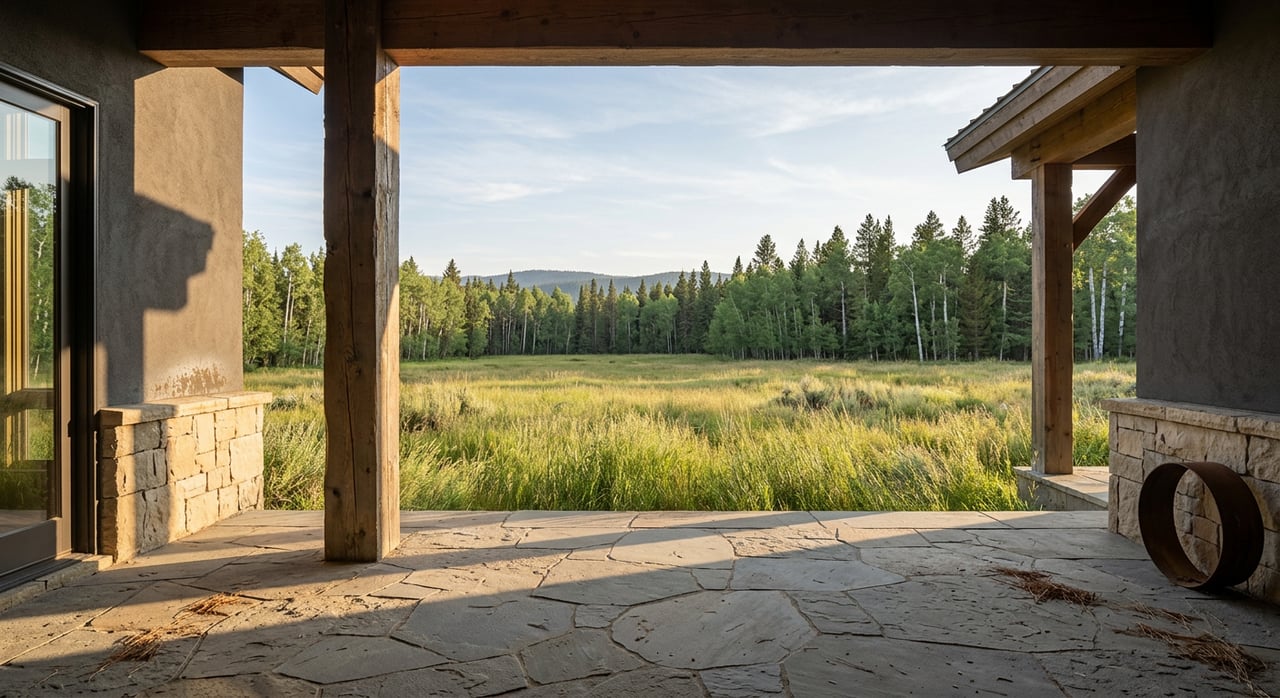
Picture wide meadows, big peaks, and quiet nights without giving up easy access to Aspen and Snowmass Village. If you want elbow room, equestrian options, and a true mountain setting, Old Snowmass delivers. You’ll learn how acreage living works here, what to expect with zoning and utilities, and how to match the lifestyle to your goals. Let’s dive in.
Old Snowmass is a rural pocket of Pitkin County along the Roaring Fork Valley floor between Basalt and Snowmass Village/Aspen. Addresses often read simply “Snowmass,” yet the area is unincorporated and feels distinctly countryside. You are a short drive or bus ride from town, with seasonal traffic patterns that vary.
Day to day, the commercial cluster in Old Snowmass is minimal. You’ll find the post office, a gas station near the park and ride, and a few services. Most groceries, medical visits, and larger errands happen in Basalt or Aspen, so you plan errands instead of relying on walkable shops.
What makes Old Snowmass special is the range of land options. You’ll see small ranch subdivision lots of roughly 2 to 5 acres inside shared ranch communities, mid‑sized ranch estates in the tens of acres, and legacy holdings that stretch much larger. The variety supports different lifestyles and budgets while keeping the valley’s open feel.
Pitkin County’s zoning and growth rules guide what you can build. Areas in and around Snowmass and Capitol Creek commonly include RS‑30 Resource zoning and other rural or suburban districts, each with different density and approval processes. If you plan to subdivide or expand, you may encounter the county’s Growth Management rules, activity envelopes, and in some cases Planned Unit Development steps. Review the county’s definitions and processes in the Pitkin County Land Use Code for a clear start point for any property you’re considering. You can read the zoning chapter directly in the county’s resource on zoning districts and GMQS.
If you like the idea of shared ranch amenities with private homesites, communities like Lazy O offer roughly 2 to 5 acre lots with pastures, ponds, and managed open space. This setup blends privacy with community stewardship and equestrian options. For a sense of what these homesites look like, browse a representative Lazy O Ranch listing.
If you want more seclusion, you’ll also find standalone ranch properties that span dozens of acres, often with historic improvements or room for a new compound. These parcels deliver the classic “big‑sky” ranch feel with room for horses, gardens, and thoughtful architecture. Always confirm any existing activity envelopes, building credits, or TDR considerations during due diligence.
Every parcel is site‑specific. Ask early about the current zoning, any recorded activity envelopes, driveway and utility easements, and whether past approvals rely on conditions you must maintain. When you plan a renovation or new build, factor in timing for county review so your project and move‑in schedule align.
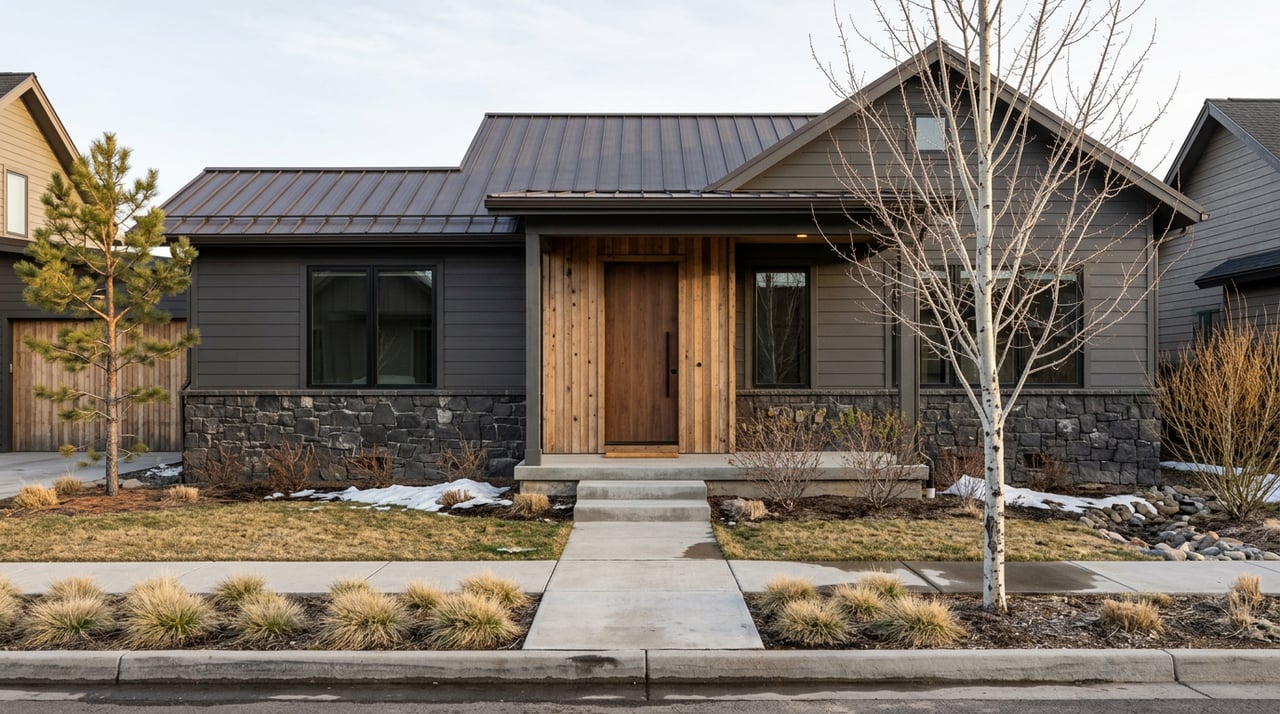
You’ll see single‑level ranch homes, low‑profile mountain designs in timber and stone, and fully modern compounds set into meadows or hillsides. Interiors range from warm, rustic finishes to high‑end contemporary. On larger parcels, accessory structures like barns, workshops, and guesthouses are common where allowed.
If horses are part of your lifestyle, Old Snowmass stands out. Shared ranch communities and private estates often include barns, paddocks, riding rings, and direct trail connections. Many owners value the balance of private acreage with professionally managed pastures and open space.
Living in Old Snowmass puts you near rivers, creeks, and a network of public lands. The Roaring Fork corridor is celebrated for trout fisheries, and properties with river adjacency carry special permitting and setback considerations. You are also close to trailheads that lead into the Maroon Bells–Snowmass Wilderness toward Snowmass Lake and Capitol Creek.
Open space is a defining feature here. Locals prize nearby conserved lands like Windstar and neighboring ranchlands for scenery and low‑impact recreation. For context on conservation and access efforts in the area, see local coverage of Windstar Open Space.
When you want an easy spin or a family bike day, the Rio Grande multi‑use trail runs the length of the valley and connects to local paths near Old Snowmass. It is a popular paved choice for cyclists, walkers, and Nordic skiers in season. Learn more about the Rio Grande Trail.
Utilities in Old Snowmass feel different from in‑town living. Many properties use private wells and on‑site wastewater systems. Do not assume a municipal connection unless a listing states it clearly.
Finally, remember that riparian and wetland setbacks shape how you can build and landscape near creeks and ponds. Pitkin County’s guidance on wetlands and riparian areas is a good reference before you draw plans.
Most residents drive to Basalt or Aspen for groceries, dining, and appointments. Many also use the nearby park and ride to connect with valley transit for work or ski days. Winter road maintenance and driveway access vary by parcel and may involve county roads or private road associations, so verify responsibilities at the offer stage.
Community life blends ranching roots with creative and conservation‑minded interests. You will meet long‑time local families, second‑home owners, and neighbors who organize around horses, open space, and the arts. It is quiet by design, yet close enough to enjoy dining, music, and events in Aspen and Snowmass Village.
Use this quick checklist to focus your search and due diligence:
Choose Old Snowmass if you want space, quiet, and true mountain scenery without giving up convenient access to Aspen and Snowmass Village. You will trade walkable shops for elbow room, and you will gain trails, rivers, and starry nights. With the right due diligence on wells, septic, zoning, and access, you can build a home base that fits your vision for mountain living.
If you are ready to explore properties and want a clear, local roadmap from first tour to closing, reach out. You will get place‑based guidance, trusted vendor referrals, and a calm, organized process focused on your goals. Connect with Leah Davis to start your Aspen search.
Stay up to date on the latest real estate trends.
With over twenty five years of mountain living under her belt, Leah Davis has refined the art of living and working in Aspen. A dedicated Aspenite and a consummate real estate professional, Leah’s commitment and passion goes way beyond the deal and will truly help you find the community behind the home. Contact her today!